One hundred eighty-nine thousand dollars. That is the price on page one of our purchase agreement for a three-bedroom on Linden Street, in a zip code where the identical floor plan two blocks over shows a Zillow estimate of $310,000, and the gap is not a foreclosure, not a fire, not a cracked foundation. It is page six. The resale formula. I have read page six eleven times since March and I still find new sentences in it.
Our finances made the market simple to read: my wife teaches fourth grade at $48,600, I schedule imaging at St. Alphonsus for $32,400, the town median sits at $310,000, and rent on our two-bedroom had climbed from $1,540 to $1,780 in three years with a 5 percent bump scheduled every June. The community land trust was the only version of buying that worked on our income, and I mean that without self-pity: either the numbers included a trust or they did not work at all. Forty people sat in the orientation session in January 2025. We closed fourteen months later.
Everyone hears discount house and thinks subsidy or scam, and it is neither. Not a scam. Not a subsidy, exactly. It is arithmetic with a 99-year ground lease, a $25 monthly lease fee, and a formula that caps our resale gain at 1.75 percent a year plus documented improvements. We signed with eyes open, both of us, initialing the cap twice cuz the notary figured I had missed it. The part that took three meetings with the trust director to understand was never page one. It is what page six does to the day we eventually sell, and why I stopped being angry about it somewhere around the fourth meeting.
the waitlist at the trust office
Getting in was a process with real friction, which I now think is the point: income qualification at or below 80 percent of area median, which for a household of three was $92,400, pay stubs, two years of returns, a landlord reference, and the state's first time home buyer class, four hours on a Saturday over Zoom with a quiz at the end. We applied in February 2025 and got the call fourteen months later, behind 37 other households. The trust owns 61 houses in town and sells maybe four a year when someone ages out or moves for work. The waitlist is how they keep it affordable.
page one, $189,000
The purchase itself was ordinary on paper: $189,000, and as a first time home buyer I qualified for the state's 3 percent down program, $5,670 at the table, rate 6.125 percent fixed, monthly payment $1,240 including taxes, insurance, and the $25 ground lease fee. Our lender had done trust deals before and still asked us twice to confirm we understood the resale restriction. We signed an addendum saying so. The closing took 40 minutes and a box of tissues I did not plan for, and the seller, a hospital tech moving to be near her grandkids, hugged the trust director on her way out.
page six, the formula
Here is the machine, as close to verbatim as I can manage: at sale, the maximum resale price equals our purchase price plus 1.75 percent per year compounded, plus the appraised cost of documented capital improvements, and the buyer must be income-qualified at the same 80 percent line we cleared. The trust holds a right of first refusal at the formula price. The appraiser for improvements comes from a trust panel. The director walked us thru a sample sale in a spreadsheet for 25 minutes, year by year, and the number grows, steadily, just not like the market grows. That is the entire mechanism. Page six is one page long.
the ground lease nobody warned me about
We own the house. The trust owns the land under it, and we lease it back on a 99-year term, renewable, $25 a month. No short-term rentals. Long-term rentals need board approval, which I am told happens approximately never. Fences need a form. Solar is encouraged. Our property taxes cover the improvements at $3,800 a year, not the land. When I explain this at barbecues someone always says so you're renting, and I have stopped arguing and began handing people the page, because the page answers it better than I do.
the math on walking away
The arithmetic, dug into one night while everyone slept: if we sell in 2036, the formula gives us approximately $224,900 for the structure, $189,000 grown at 1.75 percent for ten years, plus maybe $18,000 for the deck and HVAC we plan, call it $242,900 against a market comp that might be $395,000 by then, and we would walk with about $54,000 in equity minus $6,000 in fees. Now the other column: our $1,240 against the $2,310 a market mortgage would have cost at 2026 rates, which is $12,840 a year, $128,400 over the decade, real cash staying in our account every single month. The cap costs us future appreciation. The discount pays us every month we live here. Page six is where those two columns meet.
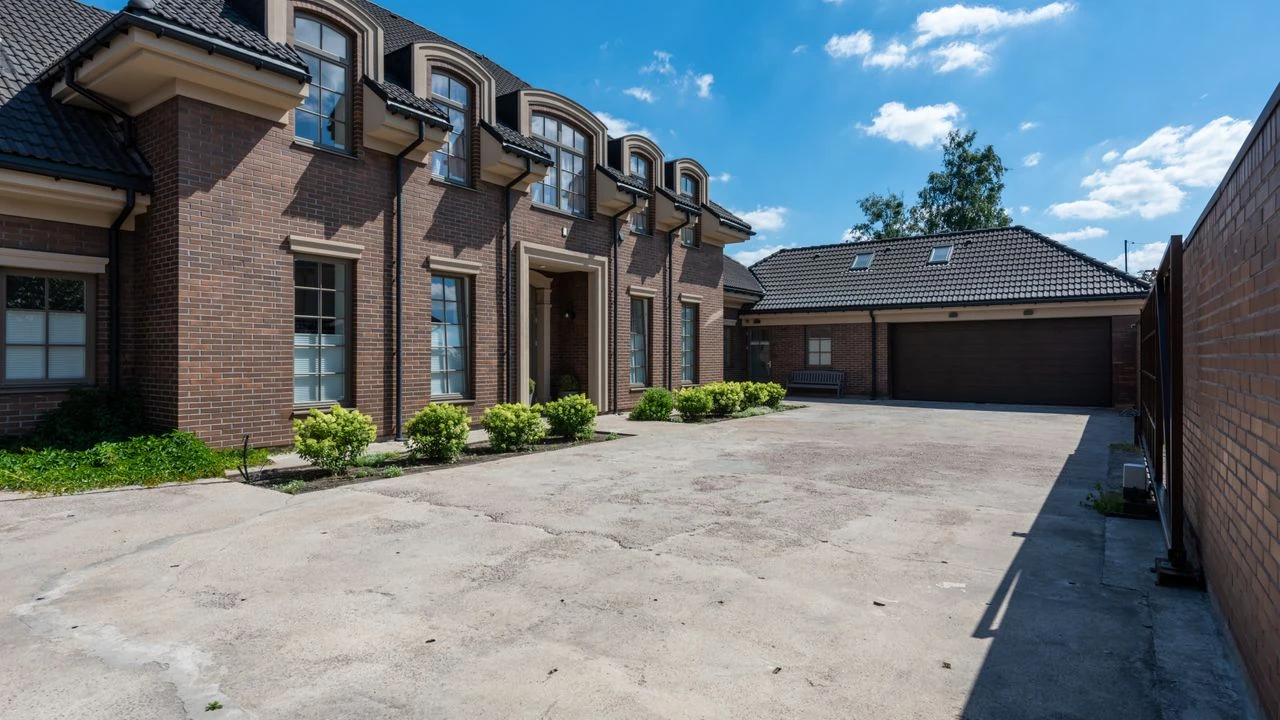
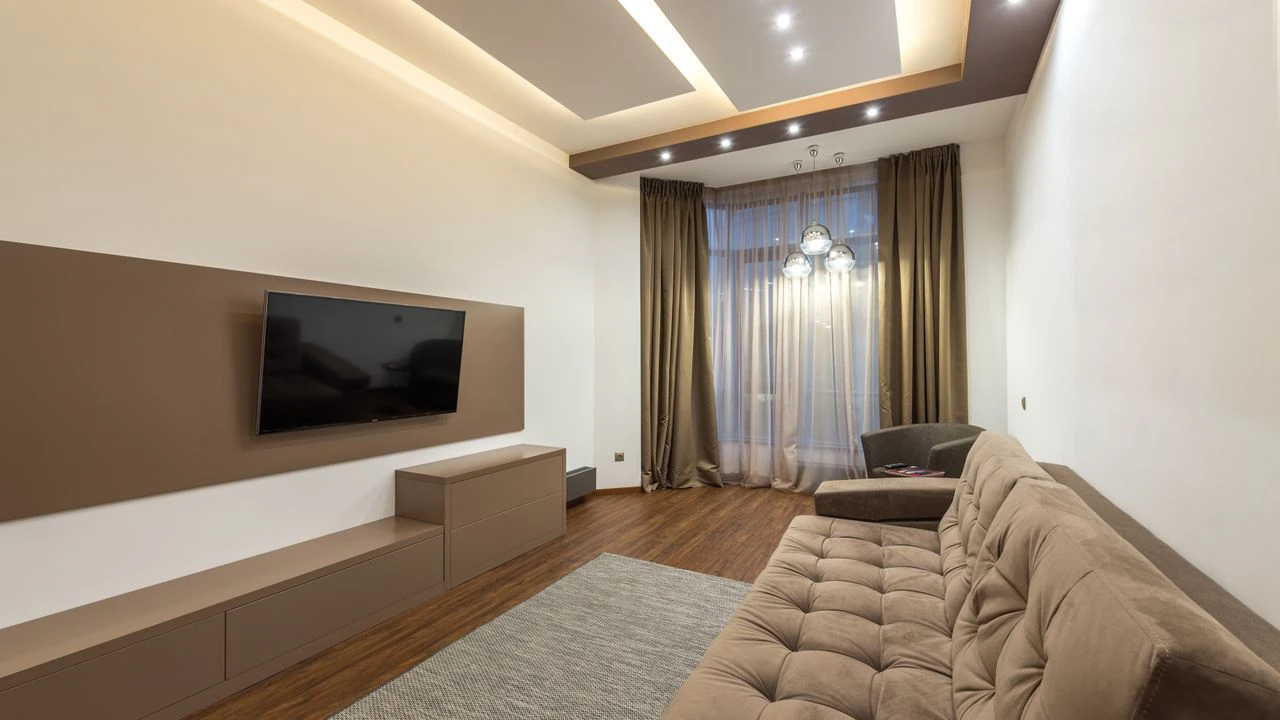
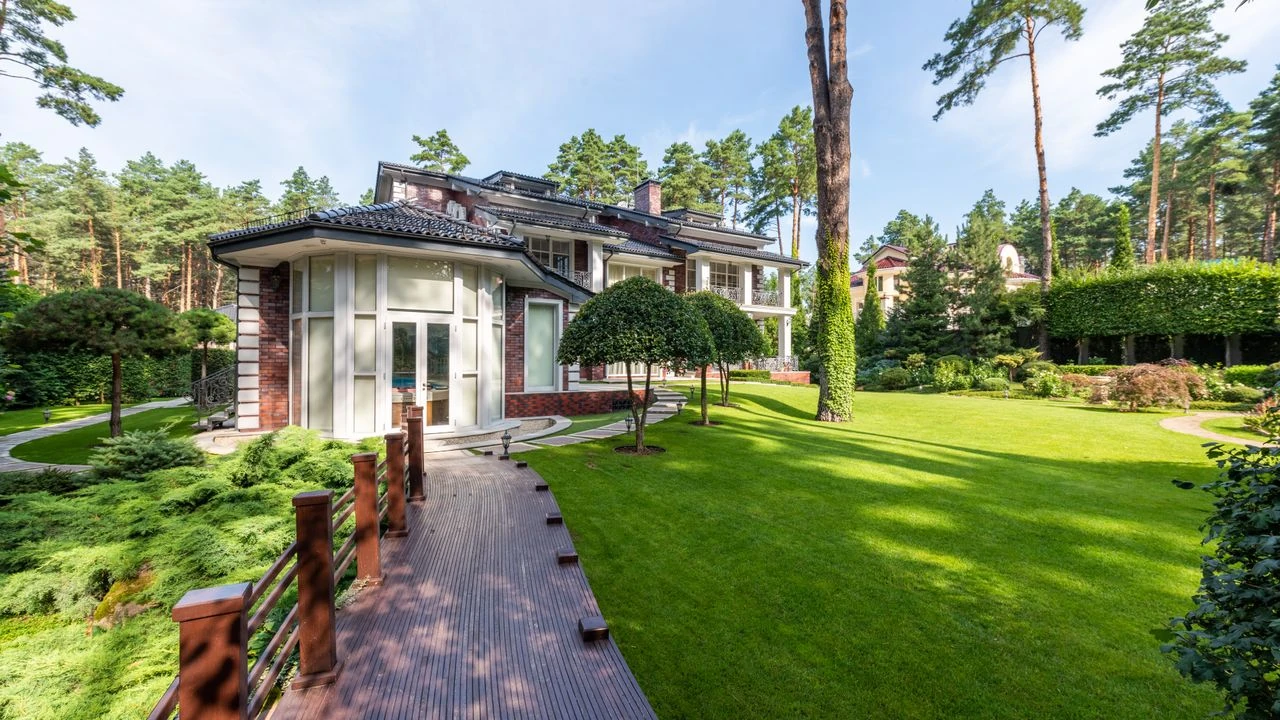
the identical floor plan two blocks over
The comp sold last May for $306,000, same builder, same 1987 floor plan, same gas line, and I know the owners slightly because our daughters ride the same bus. Their taxes ran $6,100 last year against our $3,800. Their appreciation is uncapped, and so is their risk, and their monthly payment is somewhere north of double ours, which came up once, gently, when she asked me at the bus stop how we afford the neighborhood. I told her about page six. She said the word interesting the way people say it when they are goin' to go home and look it up.
what the trust meetings feel like
The annual meeting in February was a potluck, 60 households, agenda items like the 2026 reserve study and a vote on the community garden water line, and it felt less like a condo association and more like a co-op with better food. A woman named Delia sold through the formula in 2019 and told her numbers out loud: bought at $142,000 in 2009, sold at $178,500, moved to Georgia with about $36,000. She said the word enough twice. My wife wept in the car afterward, and I sat with that for a while, and we are still not sure which kind of crying it was.
Linden street, eleven reads later
Page six is printed and stuck to the refrigerator now, next to a drawing our daughter made of the house with a purple roof. The house was $189,000 because page six says so, the identical floor plan two blocks over is worth $121,000 more than ours today, and its owners and I will both be old someday, and only one of us paid $1,240 a month the whole way there. We signed. That is it. That is the trade.