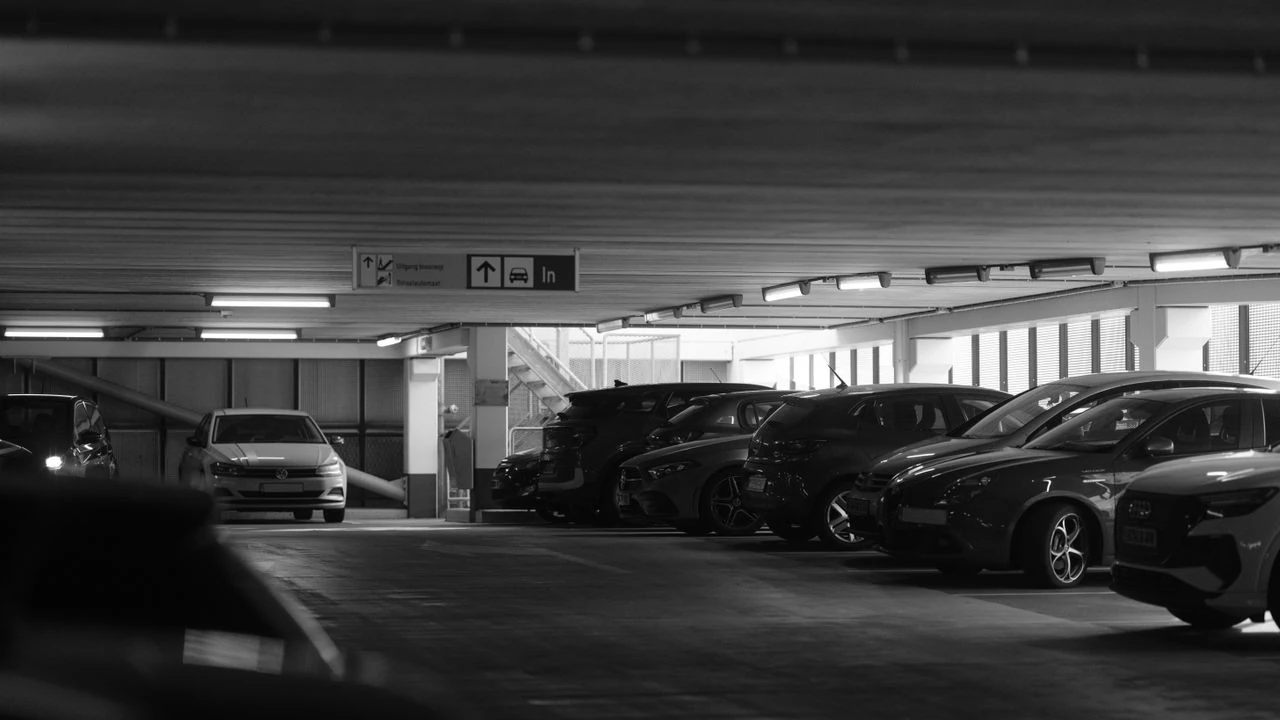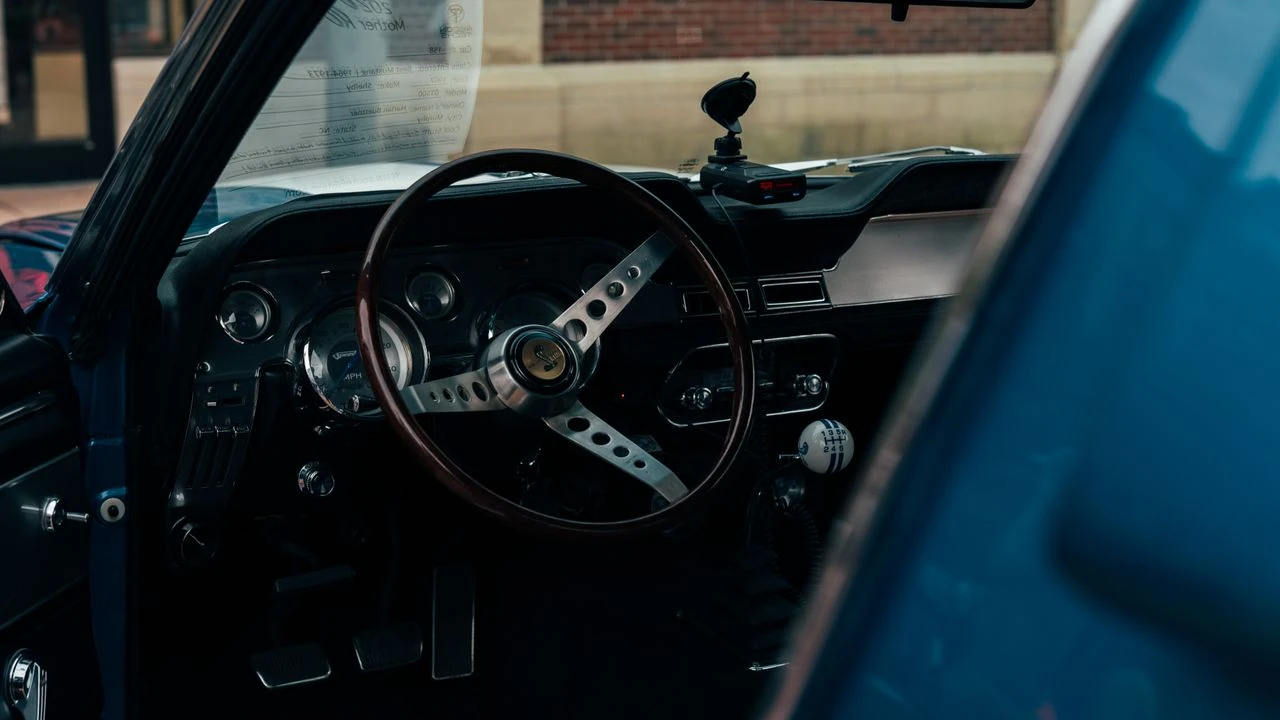
Fifteen below on a Tuesday in January, 6:50 in the morning, and my Corolla turned over like it was wading thru cold honey. Third slow crank of the week. Frost ferned across the inside of the glass, and my breath hung in the car while the starter wheezed, caught, wheezed again, and finally fired on the fourth try. My apartment complex has 84 outdoor spaces, zero garages, and zero outlets. Slot 61 was mine, and it was winning.
The stakes: shift starts at 7:30 across the river in Eagan, a supervisor who counts tardies, and a battery that tested at 540 cold cranking amps against a 650 rating back in October. A no-start meant a $95 tow and a mark in the file, in that order. The weather service had the whole week pinned in the negative twenties with wind chill. This was not a cold snap to wait out. It was the season.
The fix cost $40, and the twist is that it does nothin' without permission. A battery blanket plugs into a wall, and I own no wall near my car. What I owned was a property manager, one stairwell outlet, and a long extension cord, in ascending order of difficulty.
the $39.99 pad under the hood
The parts store calls it a battery thermal blanket: a vinyl-wrapped heating pad, 36 inches long, 80 watts, that wraps around the battery case and holds the electrolyte somewhere near survivable. Mine was $39.99 on the shelf, made by Kat's, installed in ten minutes with two straps and a zip tie. It has no battery of its own and no magic. It just keeps the chemistry warm, and warm chemistry delivers the amps the label promised.
why cold kills a battery
Do the ugly math once and it never leaves you. At zero Fahrenheit, a fully charged twelve-volt battery delivers approximately 40 percent less cranking power, while a cold engine demands approximately twice the torque to spin, because thirty-weight oil at zero degrees pours like syrup. My 650-amp battery became about a 390-amp battery on paper, dragging an engine that needed more than it had ever needed. Warm the battery twenty or thirty degrees and most of that gap closes. That is the entire technology, and it costs less than a tank of gas.
no garage, no outlet
Minnesota apartment culture assumes engine heaters, and half the lots I toured in October had posts with GFCI outlets every four spaces. Mine was built in 1972 and has a light standard, a dumpster corral, and a firm no. The property company quoted $4,100 to run outlets to four posts, so that door closed with a bang. Cold weather does not care about your lease negotiations. The battery does not either.
the staircase outlet, in writing
Then I went and asked instead of assuming. The stairwell by the lot has a GFCI outlet the cleaning crew uses, on the house meter, and the property manager had authority to say yeah. She and I hashed out the conditions in one email thread: a single 12-gauge outdoor cord, nothin' daisy-chained, unplugged by nine each morning, and her approval came back in writing, which I screenshot and saved like a title document. A verbal yes evaporates. An email is a fixture.
the cord out the window
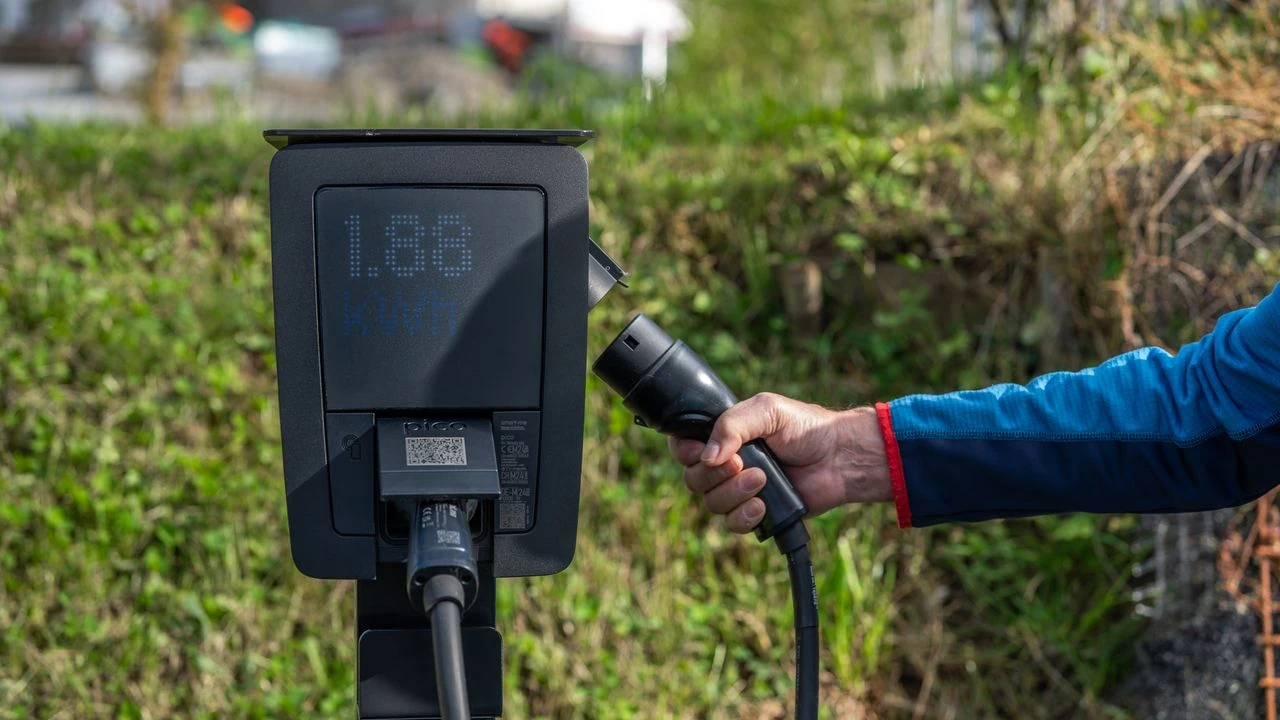
The hardware: a 50-foot 12/3 outdoor extension cord, $34, plus a $12 smart plug with a timer so the blanket starts warming at 4:30 instead of midnight. The cord runs out my first-floor window over a foam strip, down the brick, across six feet of sidewalk in a bright orange ramp cover so nobody trips and sues anybody. Total project cost: $85.99 and one awfully patient property manager. The window closes on the cord with the foam snug, which also stops the January draft that had been freezing my feet all along.
what full coverage car insurance does here
One honest note about coverage, absorbed the hard way this month. My full coverage car insurance includes a roadside rider, so the one tow I needed — alternator, not battery, the Tuesday before last — cost nothin' inside 15 miles. The battery itself is a wear item, uncovered, same as brake pads, and no policy will ever care that the cold won. Roadside on the policy, yes. A fresh battery from NAPA, $189 installed, mine. Know which one is yours before the dashboard goes dark.
the 4:30 timer
The routine now writes itself. Plug in the cord at night thru the window, set nothin', because the smart plug fires the blanket at 4:30 whether I am conscious or not, and the battery gets three hours of warmth before my feet hit the floor. At 6:50 the crank is one turn, short and confident, the sound of a battery delivering what its label says. My neighbor with the diesel still waits for his block heater on a post he pays the complex for monthly. We nod. Both of us are plugged in, one of us paid nothin' recurring to get there.
Fifteen below, 6:50, slot 61, and the ritual holds: cord out the window at nine p.m., smart plug at 4:30, one clean crank in the dark. The blanket cost $40, the permission cost an email, and the $4,100 outlet project stayed imaginary. Plug it in before bed. That is the whole ritual.